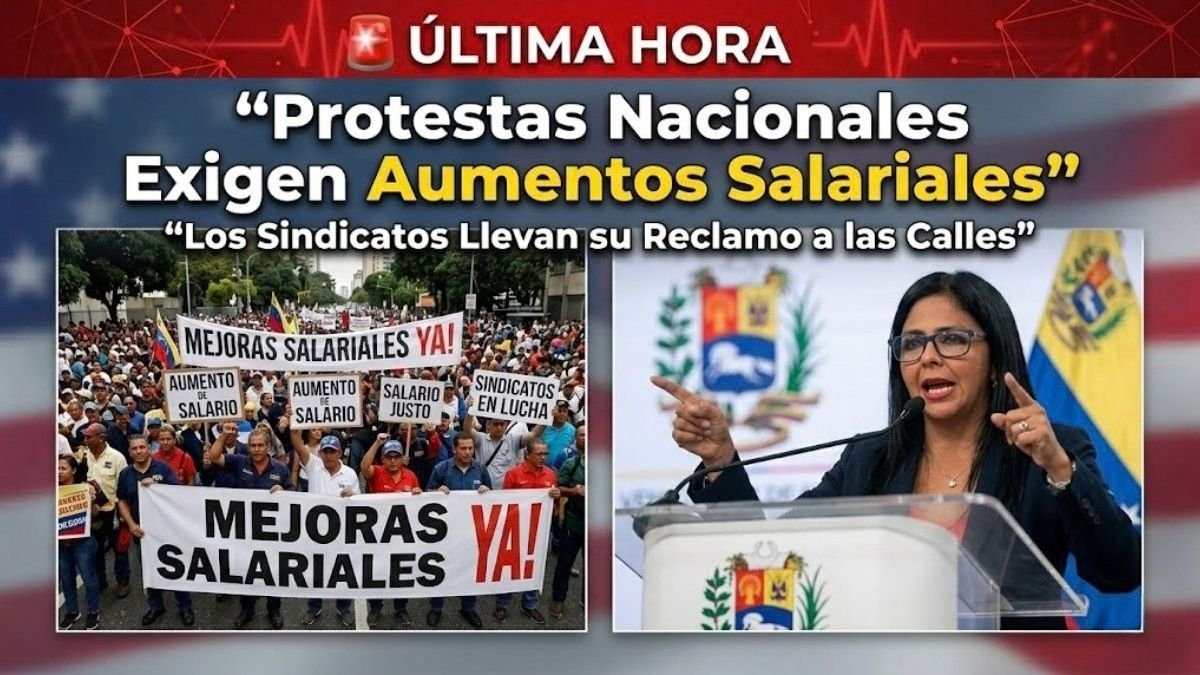
In 2026, national protests in Venezuela have intensified as labor unions and public sector workers demand urgent salary increases. Rising inflation, declining purchasing power, and ongoing economic challenges have pushed thousands of citizens into the streets, calling for immediate government action.
This SEO-optimized article explains the causes behind the protests, key demands, government response, and what could happen next.
Why Are Protests Erupting Across Venezuela?
The current wave of protests is driven by growing frustration among workers who say their wages no longer cover basic living expenses. Despite some economic adjustments in recent years, many Venezuelans continue to struggle financially.
Key reasons behind the protests include:
- Extremely low minimum wages
- Rising food and transportation costs
- Ongoing inflation
- Lack of regular salary adjustments
Workers argue that their income has lost significant value, making it difficult to afford essential goods and services.
Key Demands from Venezuelan Labor Unions
Labor unions across the country have united to present clear and urgent demands to the government:
- Immediate increase in the minimum wage
- Salary adjustments linked to inflation
- Improved working conditions
- Respect for labor contracts and agreements
Many unions are also calling for wages to reflect the real cost of living, which has risen sharply in recent years.
Sectors Leading the Protests
The protests are not limited to one group. Several sectors are actively participating:
- Public sector employees
- Teachers and education workers
- Healthcare professionals
- Retirees and pensioners
These groups have been among the hardest hit by low wages and reduced purchasing power.
Government Response to the Protests
The government has responded with a mix of announcements and temporary solutions. These include:
- Offering bonus payments instead of permanent salary increases
- Promising to review wage structures
- Expanding social assistance programs
However, many protesters believe these measures are insufficient and fail to address the root of the problem.
Economic Impact of the Protests
The ongoing demonstrations are having a noticeable impact on the country:
- Disruptions in public services
- Temporary closures of schools and institutions
- Increased economic uncertainty
- Pressure on government finances
If the protests continue, they could further affect economic stability and productivity.
What Could Happen Next?
The future of these protests depends on how both sides respond:
- Negotiations between unions and the government may begin
- Wage reforms could be introduced
- Protests may intensify if demands are not met
- International attention could increase
Experts suggest that dialogue and compromise will be key to resolving the situation.
Importance of Salary Reform in Venezuela
The protests highlight a larger issue: the need for sustainable salary reform. Without structural changes, temporary solutions may not be enough to support workers in the long term.
A balanced approach could include:
- Regular wage adjustments
- Inflation control measures
- Economic reforms to boost stability
The national protests in Venezuela reflect deep economic concerns and growing dissatisfaction among workers. As unions continue to demand fair wages and better conditions, the government faces increasing pressure to act.
The outcome of this situation will not only affect workers but also shape the country’s economic and social future.
Why are there protests in Venezuela in 2026?
The protests are mainly due to low wages, high inflation, and the rising cost of living, which have reduced purchasing power.
What are Venezuelan unions demanding?
They are asking for higher salaries, inflation-based adjustments, better working conditions, and respect for labor agreements.
Which sectors are involved in the protests?
Public workers, teachers, healthcare staff, retirees, and pensioners are among the main participants.
Has the government increased salaries?
So far, the government has offered bonuses and promised reviews, but unions say these measures are not enough.
Could the protests continue?
Yes, if no agreement is reached, protests could intensify in the coming weeks.
How do these protests affect the economy?
They can disrupt services, create uncertainty, and put additional pressure on government finances.